
Positive
Civil Rights Act of 1964
The Civil Rights Act of 1964 stands as perhaps the most comprehensive piece of civil rights legislation in American history. This Act of revolutionary: it outlawed discrimination based on race, color, religion, sex, or national origin, effectively ending legal segregation that had been the cornerstone of Jim Crow society. Beyond its immediate legal impacts, the act opened doors to better educational access for Black Americans and represented the first significant step toward changing deeply enriched social norms. Yet legislation alone could not immediately transform entrenched social norms.
Presidential Leadership:
President John F. Kennedy's approach to civil rights demonstrated the crucial role of federal enforcement in making legislative victories meaningful. Kennedy understood that challenging segregation required not just moral arguments but it demanded the full power of federal authority. Kennedy established a precedent that federal law would supersede local customs of segregation. He also dramatically increased the hiring of Black attorneys within the department and created an active civil rights division focused specially on voting rights enforcement. Kennedy demonstrated the federal government's willingness to protect those fighting for civil rights, even when local authorities refused to do so.
Breaking Barriers:
Shirley Chisholm was born November 30, 1924 in New York. Her education at the teachers college at Columbia University prepared her for a groundbreaking political career that would shatter multiple barriers simultaneously. She was the first African American to run for a major party nomination for president of the United States. Her seven terms in the U.S House of Representatives from 1969-1983 demonstrated sustained political leadership and paved the way for future generations of Black political leaders. Her career embodied the broader transformation that civl rights legislation had made possible, while simulaneously revealing how much individual courage was still required to claim the rights that law had theoretically guaranteed.
Economic Justice Deferred:
The Memphis Sanitation Strike of 1968 revealed that legislative victories, while crucial, had not addressed the economic foundations of inequality. The breaking point came when two workers Echol Cole and Robert Walker were crushed to death in a malfunfctioning garage truck, highlight the dangerous conditions these workers faced daily. On February 12, 1968 workers walked off the job with clear demands: better working conditions, higher wages, and union recognition. The strike demonstrated that civil rights struggle extended beyond access to public accommodations or voting booths; it encompassed the fundamental right to earn a living wage and work in safe conditions.
Negative
The Four little Girls:
On September 15th, 1963, the 16th Street Baptist Church bombing in Birmingham, Alabama, shattered more than just a house of worship-it shattered the nation's conscience. When the KKK's bomb exploded, it claimed the lives of 4 innocent little girls between the ages 11-13. Over 8,000 people attended the funeral of these young victims, while people across the state offered comfort and condolences to the grieving families.
The Three Civil Rights Workers:
In the summer of 1964, Freedom Summer emerged. It was a cover registration campaign in the deeply segregated state of Mississippi. Among the selfless volunteers were three young men, James Chaney, a 21-year-old black man from Mississippi, Andrew Goodman, a 20-year-old white college student from NYC, and Micheal Schwerner, a 24-year-old white man also from NYC. Deputy Sheriff Cecil Price stopped the 3 men while investigating a church burning. James Chaney was beaten significantly more than his companions. They were all beaten to death and weren't given justice until 2005.
The Edmund Pettus Bridge:
On March 7th, 1965, 600 peaceful protesters gathered at Brown Chapel AME Church, preparing for a 54-mile march to Montgomery to demand voting rights. These very peaceful protests were met with violent opposition when they encountered a wall of Alabama state troopers wearing mask masks. The brutal attack created lasting trauma for activists and exposed strategic divisions within the movement, particularly after MLK's controversial
"Turnaround Tuesday" Decision.
Standing at the Schoolhouse Door:
On June 11, 1963 at the University of Alabama, Governor George Wallace made his infamous stand, physically blocking the doors to prevent two black students, Vivian Malone and James Hood from becoming the first black students in the university's 132-year history. This exposed the moral bankruptcy of segregation to the entire nation. This prompted President Kennedy to deliver a powerful civil rights speech that evening. Although Malone, and Hood were vert brave, they sadly faced harassment, threats, and isolation. However, their determination created national support for the civil rights movement and contributed directly to the passing of both the Civil Rights Act of 1964 and the Voting Rights Act of 1965.
Final Thoughts
In remembering these pivotal moments, both positive and negative, we honor not only those who sacrificed but also recognize our ongoing responsibility to continue they work. Their courage reminds us that social progress requires individuals willing to stand up for justice, even when the cost is high.
I used Claude.AI to help me organize my notes that I took during my fellow classmates presentations.


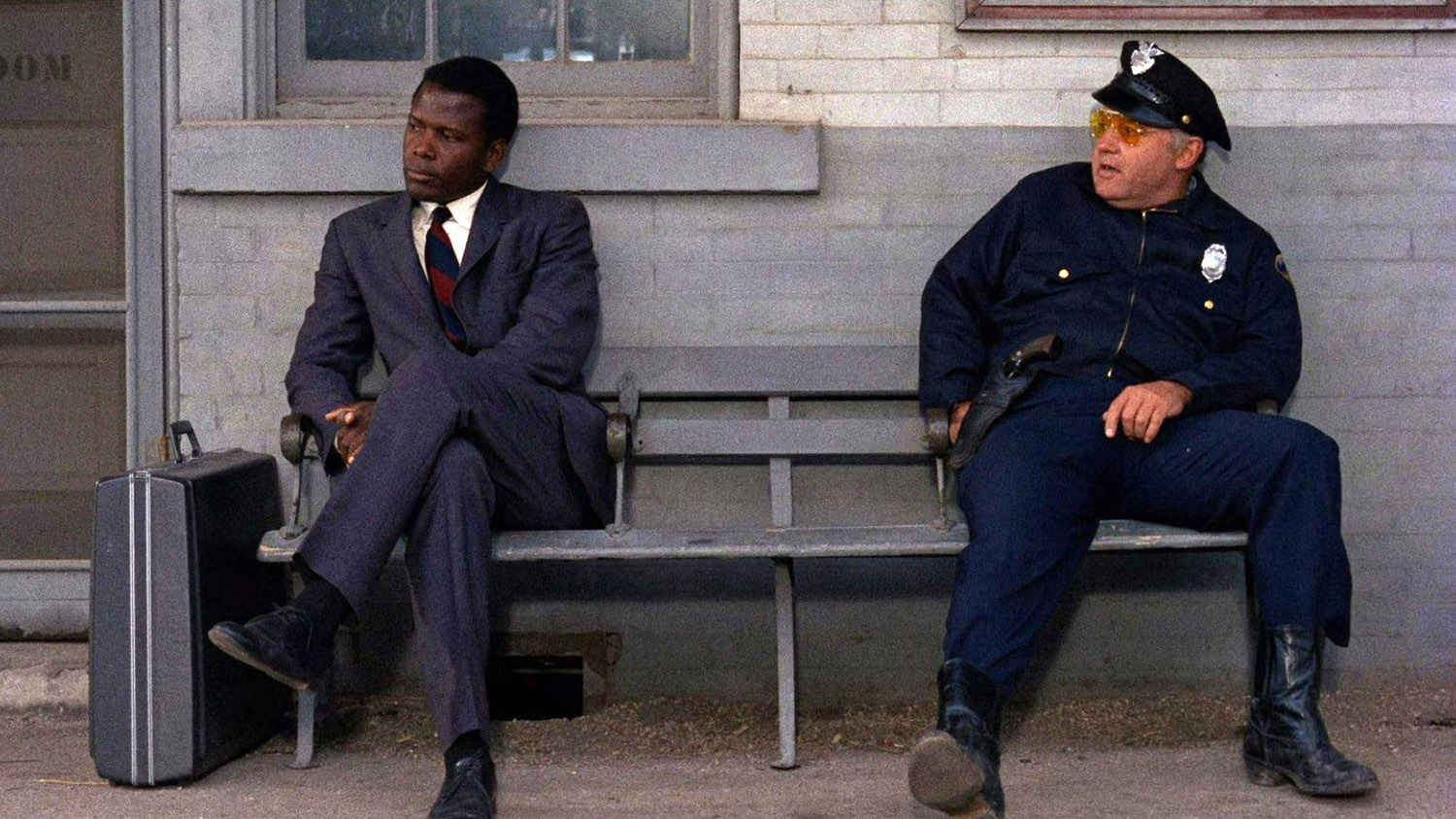 Watching "In the Heat of the Night," the film's message enthralled me (I cried at the end). What begins as a murder mystery in the fictional town of Sparta, Mississippi, quickly transforms into something far more—a blistering examination of racial prejudice that feels uncomfortably relevant even today.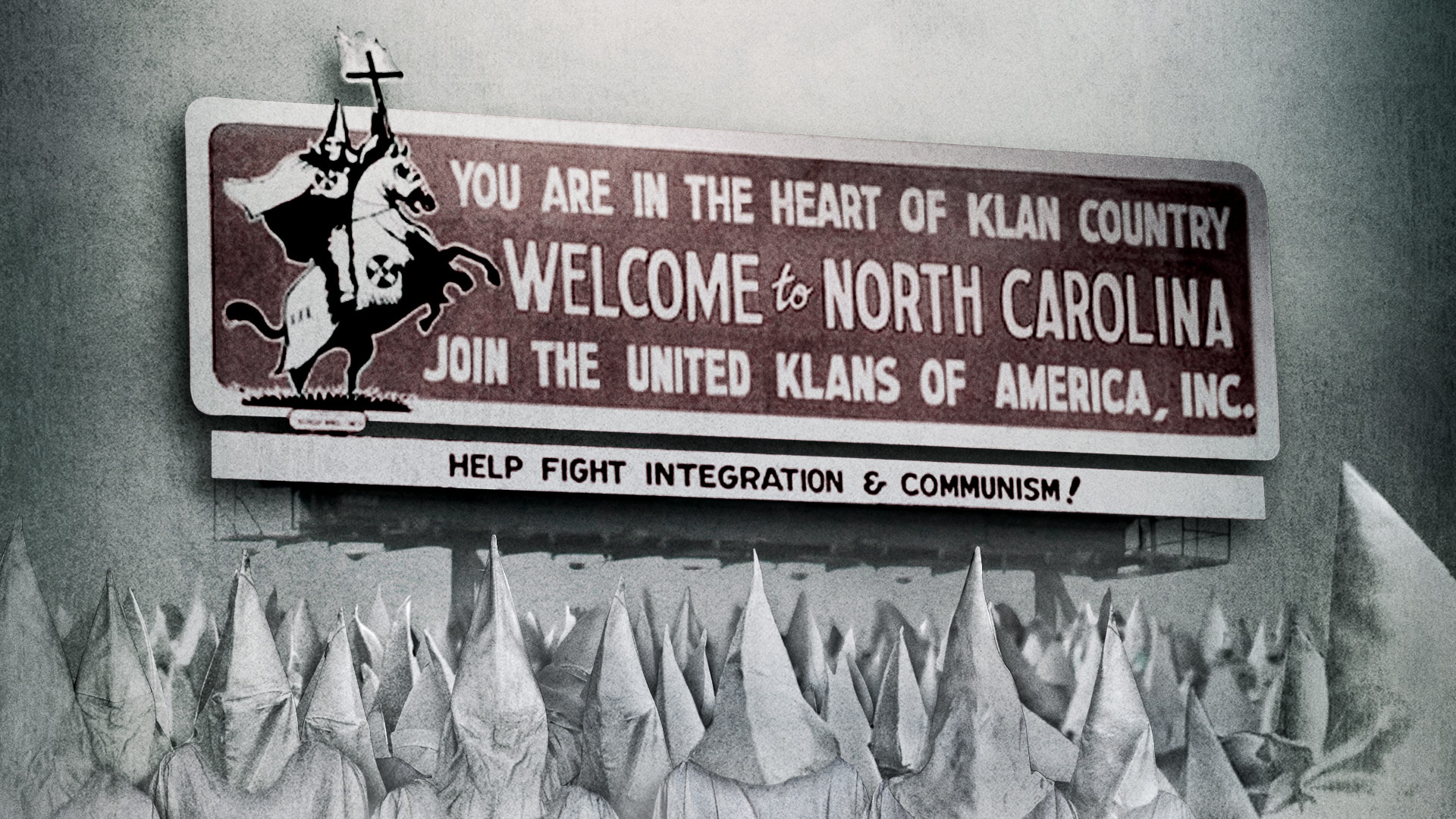
 The arguments presented in defense of Louisiana's Separate Car Act of 1890 reveal the complex of intersection of economic interests, state sovereignty, and racial segregation that characterized the post-reconstruction south. Louisiana positioned itself as a guardian of both economic prudence and states' rights, framing racial separation as a necessary exercise of police power designed to protect property values and ensure commercial stability.

